
Best Money-Saving Habits for Young Professionals: 15 Smart Habits to Build Early
Starting your professional career is an exciting time. For many young professionals, the first regular salary brings new financial freedom. It can also bring new responsibilities such as rent, transportation, bills, shopping, subscriptions, and family expenses.
Building good money habits early can make a major difference to your financial future. You don’t need a very high salary to start saving. What matters most is developing consistent habits and learning how to manage your income wisely.
Here are some of the best money-saving habits young professionals can start following today.
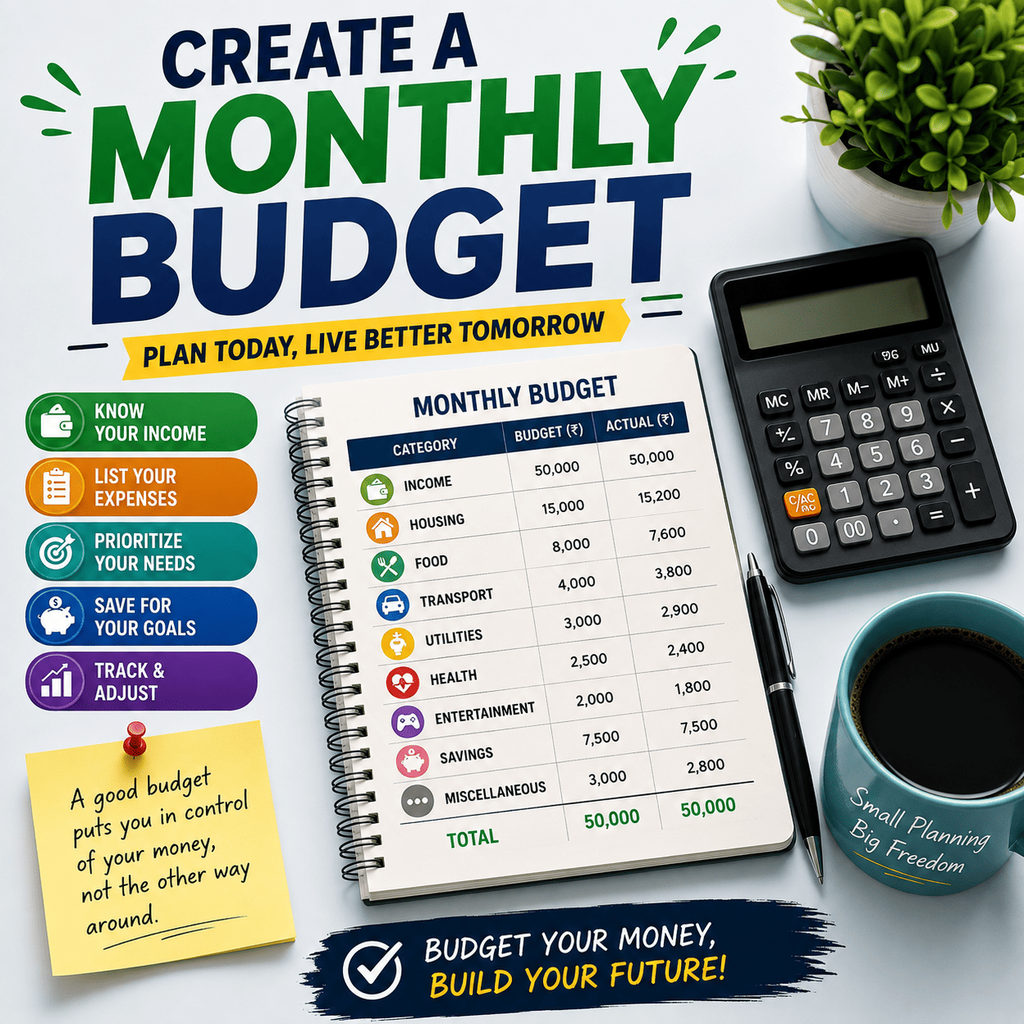
1. Create a Monthly Budget
A budget helps you understand how much money comes in and where it goes.
At the beginning of every month, list your expected income and major expenses.
Include:
- Rent
- Food and groceries
- Transportation
- Bills
- Loan payments
- Shopping
- Entertainment
- Savings
A simple budget can help prevent unnecessary spending and make it easier to reach your financial goals.
2. Save Before You Spend
One of the most useful habits is to save a portion of your income before spending on non-essential items.
When your salary arrives, transfer a planned amount into a separate savings account.
Even if you start with a small amount, building the habit early can make saving easier over time.
3. Track Your Spending
Many people know their salary but don’t know exactly where their money goes.
Track your daily expenses for at least a few months.
Small expenses such as coffee, food delivery, online shopping, subscriptions, and frequent rides can add up.
Once you identify your spending patterns, you can decide where to reduce costs.
4. Avoid Lifestyle Inflation
Getting a salary increase can be exciting.
However, immediately increasing your spending whenever your income rises can prevent you from building wealth.
Instead, consider increasing your savings when your salary increases.
For example, if you receive a raise, you could direct part of the additional income toward savings or financial goals instead of spending all of it.
5. Build an Emergency Fund
An emergency fund can protect you from unexpected expenses.
Your emergency savings can be used for situations such as:
- Unexpected travel
- Vehicle repairs
- Essential household expenses
- Temporary income loss
- Other financial emergencies
Start with a small target and gradually build it over time.
6. Control Food Delivery and Eating Out
Food delivery and restaurant spending can become a major monthly expense.
You don’t need to stop eating out completely.
Instead, set a monthly limit and cook at home more frequently.
Planning meals in advance can also help reduce impulse orders.
7. Cancel Unused Subscriptions
Review your recurring payments regularly.
You may be paying for services you rarely use.
Check your:
- Streaming subscriptions
- Music services
- Gaming subscriptions
- Cloud storage
- Fitness memberships
- Premium applications
Cancel services that no longer provide enough value.
8. Avoid Impulse Shopping
Online shopping makes it easy to spend money instantly.
Before buying something you don’t urgently need, wait 24 hours.
Ask yourself whether the purchase is necessary and whether it fits your budget.
This simple waiting period can prevent many unnecessary purchases.
9. Use Credit Cards Carefully
Credit cards can be useful when managed responsibly.
However, spending more than you can repay can lead to interest charges and growing debt.
Use credit for planned expenses and aim to pay your bills on time.
Don’t treat your credit limit as extra income.
10. Set Specific Financial Goals
Saving becomes easier when you have a clear purpose.
Instead of simply saying “I want to save money,” set specific goals such as:
- Save ₹50,000 for an emergency fund
- Save ₹1 lakh for a future goal
- Build a travel fund
- Save for education
- Prepare for a major purchase
Specific goals can give you motivation to stay consistent.
11. Compare Prices Before Buying
Before making expensive purchases, compare prices from multiple legitimate sellers.
Look for genuine discounts, cashback offers, and better-value alternatives.
However, don’t let discounts convince you to purchase products you don’t need.
The best saving is often money you don’t spend.
12. Learn Basic Personal Finance
Young professionals can benefit greatly from learning basic financial concepts.
Understand topics such as:
- Budgeting
- Saving
- Emergency funds
- Loans
- Credit scores
- Insurance
- Investing
- Taxes
You don’t need to become a financial expert. Understanding the basics can help you make better decisions.
13. Avoid Unnecessary Debt
Debt can reduce your ability to save.
Before taking a loan or using credit for a major purchase, understand the total cost, interest, fees, and repayment period.
Borrowing for a genuine need can be different from borrowing for unnecessary lifestyle purchases.
Think carefully before taking on a new monthly payment.
14. Increase Your Income
Saving money is important, but increasing your earning potential can also improve your financial situation.
Young professionals can consider developing valuable skills, taking relevant certifications, freelancing, or pursuing career opportunities that offer better growth.
When your income increases, try to direct at least part of the increase toward savings and long-term goals.
15. Review Your Finances Every Month
Set aside a few minutes at the end of every month to review your financial progress.
Ask yourself:
How much did I save?
Where did I overspend?
Which expenses can I reduce next month?
Am I progressing toward my goals?
This monthly review can help you stay accountable and make adjustments when necessary.
A Simple Money Routine for Young Professionals
You can keep your financial routine simple:
Salary Day: Save your planned amount first.
Weekly: Review your spending.
Monthly: Check your budget and subscriptions.
Every Few Months: Review your financial goals and adjust your savings.
The goal isn’t perfection. The goal is consistency.
Conclusion
Young professionals have a major advantage: time.
Developing good money habits early can make it easier to handle unexpected expenses, achieve financial goals, and build a more secure future.
Start with simple habits such as budgeting, tracking expenses, saving before spending, controlling subscriptions, avoiding impulse purchases, and building an emergency fund.
As your income grows, try to increase your savings rather than allowing every salary increase to become additional spending.
You don’t need to become rich overnight. Building strong financial habits today can help you create a much stronger financial future tomorrow.