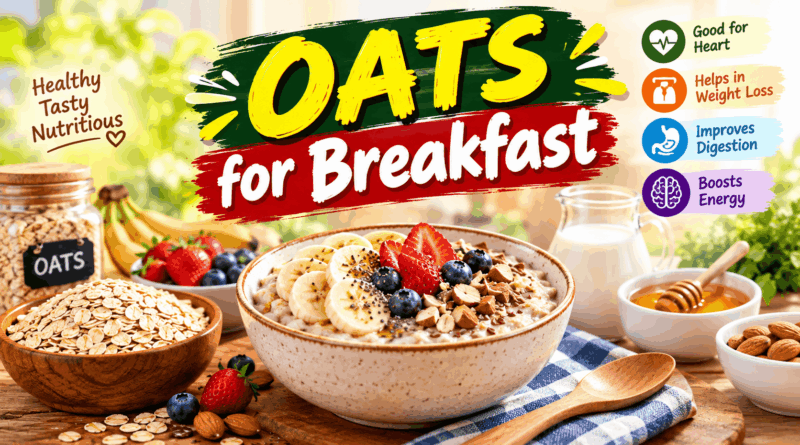
Oats for Breakfast
Benefits, Nutrition & Healthy Ways to Eat Them
Oats are a popular breakfast food because they are easy to prepare, versatile and naturally rich in carbohydrates and dietary fiber. They can be prepared with milk or water and combined with fruits, nuts, seeds and other nutritious ingredients.
Adding oats to a balanced breakfast can be a simple way to increase fiber intake and create a filling meal. However, the nutritional value of an oat-based breakfast depends on the type of oats and the ingredients added to them.
What Makes Oats a Healthy Breakfast Choice?
Oats contain dietary fiber, carbohydrates, protein, vitamins and minerals. They are also a source of beta-glucan, a type of soluble fiber that has been widely studied for its potential role in supporting healthy cholesterol levels.
Plain oats generally contain less added sugar than many processed breakfast cereals, making them a useful base for a healthy meal.
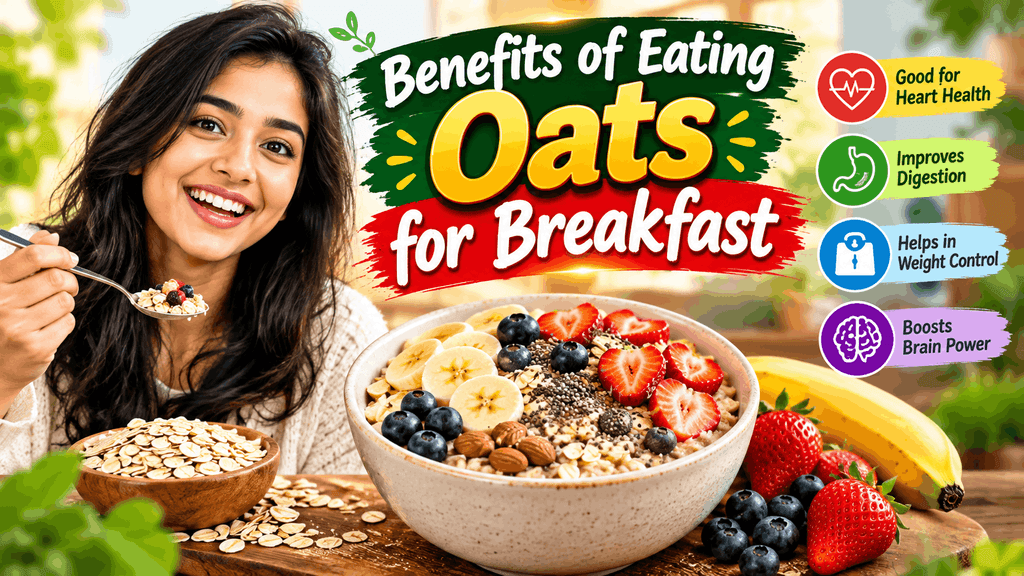
Benefits of Eating Oats for Breakfast
1. Good Source of Dietary Fiber
One of the main benefits of oats is their fiber content. Fiber helps support normal digestion and can contribute to feelings of fullness after eating.
A breakfast containing oats may therefore help you stay satisfied between meals.
2. Supports Heart Health
Oats contain beta-glucan soluble fiber. Regular consumption of sufficient amounts of beta-glucan as part of a healthy diet can help reduce LDL cholesterol, which is one factor associated with cardiovascular disease risk.
For better overall heart health, oats should be combined with a diet rich in vegetables, fruits, whole grains, legumes and other nutritious foods.
3. May Help With Blood Sugar Management
The fiber in oats can slow digestion compared with many refined carbohydrate foods. This can help produce a more gradual rise in blood glucose.
However, flavored instant oats containing significant amounts of added sugar may have a different nutritional profile. Choosing plain oats and adding fresh fruit is generally a better option.
4. Helps You Feel Full
Oats contain fiber and complex carbohydrates that can make breakfast more filling.
Adding protein sources such as milk, yogurt, nuts or seeds can make an oat-based meal even more satisfying.
5. Supports Digestive Health
Dietary fiber helps maintain normal bowel function. Oats can contribute to daily fiber intake, particularly when combined with fruits, vegetables, nuts and seeds.
If your current diet is low in fiber, increase it gradually and drink enough fluids to help your digestive system adjust.
6. Provides Important Nutrients
Oats provide nutrients including manganese, phosphorus, magnesium, iron, zinc and B vitamins. They also provide plant-based protein.
The exact nutritional content varies according to the product and serving size.
Healthy Ways to Eat Oats
Oats With Milk and Fruit
Cook plain oats with milk and add banana, apple, berries or other fresh fruit. This provides a combination of carbohydrates, protein, fiber and other nutrients.
Overnight Oats
Mix oats with milk or yogurt and leave them refrigerated overnight. Add fruit, nuts or seeds before eating.
Oats With Nuts and Seeds
Almonds, walnuts, chia seeds, flaxseeds and pumpkin seeds can add healthy fats, protein and additional fiber.
Savory Oats
Oats do not have to be sweet. They can be cooked with vegetables, spices and herbs to make a savory breakfast.
Oats With Yogurt
Combining oats with plain yogurt and fresh fruit can provide protein and calcium while keeping added sugar relatively low.
Oats and Weight Management
Oats are sometimes promoted as a weight-loss food, but no single food automatically causes weight loss.
Their fiber content can help increase fullness, which may make it easier for some people to manage overall calorie intake. Weight management depends on the overall diet, physical activity, sleep and total energy intake.
Things to Keep in Mind
Not every oat product has the same nutritional profile. Flavored instant oatmeal can contain considerable amounts of added sugar and sodium.
When buying oats, check the nutrition label and consider choosing plain rolled oats or steel-cut oats when practical.
People with celiac disease or gluten sensitivity should also check packaging carefully because oats can sometimes be contaminated with gluten-containing grains during processing. Certified gluten-free oats may be appropriate for people who need to avoid gluten, depending on their individual dietary requirements.
Advantages of Eating Oats
- Good source of dietary fiber
- Contains beta-glucan soluble fiber
- Can support healthy cholesterol levels as part of a balanced diet
- Helps create a filling breakfast
- Easy to combine with fruits, nuts and seeds
- Can be prepared as sweet or savory meals
- Provides several vitamins and minerals
Disadvantages and Precautions
- Some flavored oat products contain added sugar
- A sudden large increase in fiber may cause bloating or gas
- Portion size still matters for overall calorie intake
- People with gluten-related conditions should check for certified gluten-free products
- Individual allergies or food intolerances should be considered
Final Takeaway
Oats can be a nutritious and convenient breakfast choice when prepared with wholesome ingredients. Their fiber and beta-glucan content makes them particularly useful as part of a heart-healthy eating pattern.
For a balanced breakfast, try combining plain oats with milk or yogurt, fresh fruit, nuts or seeds. Avoid relying heavily on heavily sweetened flavored varieties.
A healthy breakfast is not about one specific food—it is about choosing nutritious ingredients and maintaining a balanced diet over time.
Note: This article provides general nutrition information and is not a substitute for individualized medical or dietary advice.