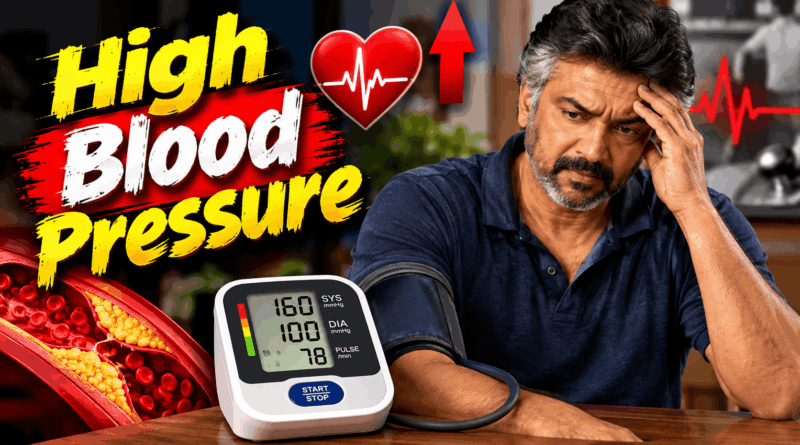
High Blood Pressure
Everyday Habits That May Help Lower It Naturally
High blood pressure, also known as hypertension, is a common health condition that can increase the risk of heart disease, stroke and kidney problems if left uncontrolled. Many people do not experience noticeable symptoms, making regular blood pressure checks important for protecting long-term health. The good news is that adopting healthier everyday habits can help manage blood pressure and support overall well-being. Some people may also need medication prescribed by a healthcare professional. Source: CDC
What Is High Blood Pressure?
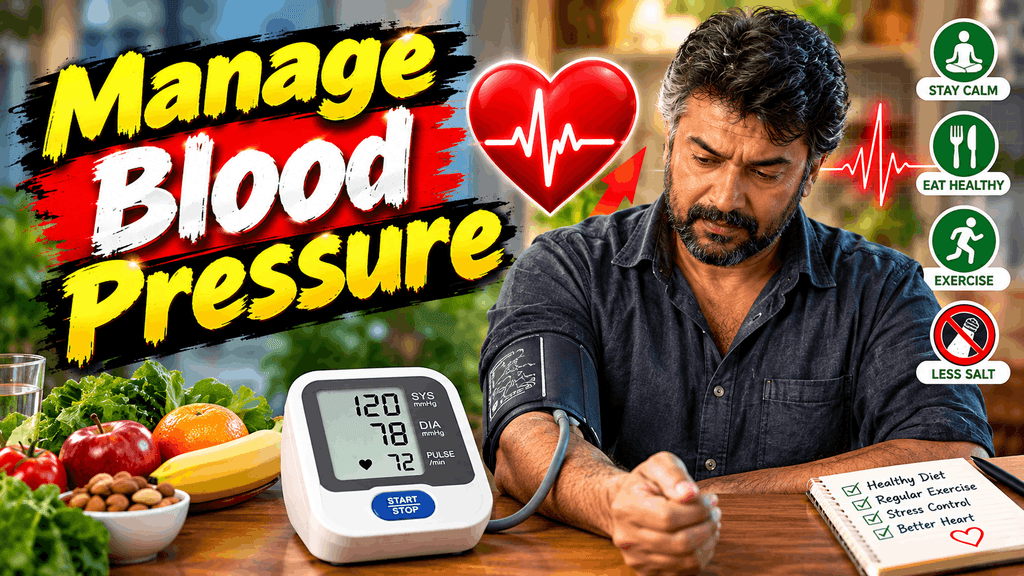
Blood pressure measures the force of blood pushing against the walls of the arteries. A reading contains two numbers: systolic pressure, measured when the heart beats, and diastolic pressure, measured between heartbeats.
Different medical guidelines use different thresholds. The World Health Organization defines hypertension as blood pressure of 140/90 mmHg or higher when confirmed on measurements taken on different days. A healthcare professional can interpret your readings and determine whether treatment is necessary. Source: WHO
10 Everyday Habits That May Help Manage Blood Pressure
1. Reduce Salt in Your Diet
Eating too much salt can contribute to high blood pressure. Reduce your intake of salty snacks, packaged foods, instant noodles, pickles, papads and processed meals. Use herbs, spices, lemon and garlic to add flavour without relying heavily on salt.
The World Health Organization recommends adults consume less than 2,000 mg of sodium per day, equivalent to less than 5 grams of salt from all sources.
2. Eat More Fruits and Vegetables
Include a variety of fruits and vegetables in your daily meals. Bananas, oranges, guavas, leafy greens, tomatoes and other fresh produce provide nutrients and fibre that support a balanced diet.
People with kidney disease or those taking certain medicines may need to monitor potassium intake, so ask a healthcare professional if you have been advised to restrict it.
3. Walk Regularly
Regular physical activity can help lower blood pressure and improve heart health. Walking, cycling, swimming and other moderate activities are good options.
Aim for approximately 150 minutes of moderate-intensity activity each week, if appropriate for your health. Start gradually if you have been inactive and consult your doctor if you have significant health concerns.
4. Maintain a Healthy Weight
Excess body weight can increase the risk of hypertension. If you are overweight, gradual and sustainable weight loss may help improve your blood pressure.
Focus on balanced meals, appropriate portion sizes, regular activity and consistent habits rather than extreme diets or rapid weight-loss methods.
5. Eat a Balanced, Heart-Healthy Diet
Choose whole grains, beans, lentils, vegetables, fruits, nuts and suitable sources of protein. Limit foods high in saturated fats, trans fats, added sugars and excessive salt.
A dietary pattern such as the DASH diet is designed to support healthy blood pressure. It emphasises vegetables, fruits, whole grains, low-fat dairy options and other nutritious foods.
6. Limit Alcohol and Avoid Tobacco
Excessive alcohol consumption can raise blood pressure. Avoiding alcohol or reducing intake can support better cardiovascular health.
Smoking and tobacco use also increase cardiovascular risk. If you smoke, seek support to quit rather than relying on willpower alone.
7. Manage Stress
Long-term stress can affect sleep, daily habits and overall health. Try activities such as slow breathing, meditation, gentle yoga, spending time outdoors or talking with someone you trust.
Stress management is helpful for general well-being, although it should not replace prescribed hypertension treatment.
8. Get Enough Quality Sleep
Good sleep supports physical and mental health. Try to maintain a consistent sleep schedule, reduce screen use before bedtime and keep your sleeping environment comfortable.
If you snore loudly, wake up gasping or feel unusually sleepy during the day, ask your doctor whether you should be evaluated for sleep apnoea, which is associated with high blood pressure.
9. Check Your Blood Pressure Regularly
High blood pressure often has no obvious symptoms. Measuring it regularly can help you understand your readings and determine whether your treatment plan is working.
If you monitor your blood pressure at home, use a validated upper-arm monitor and follow its instructions. Sit quietly before measuring, keep your feet flat on the floor and support your arm at heart level. Record your readings and share them with your healthcare professional.
10. Take Prescribed Medicines Consistently
Lifestyle changes are valuable, but they may not be enough for everyone. If your doctor prescribes blood pressure medication, take it as directed.
Do not stop, skip or change your dose because your readings improve without first consulting your healthcare professional. Some people need long-term medication alongside lifestyle changes to keep their blood pressure controlled.
Foods and Habits to Limit
To support healthier blood pressure, consider limiting:
- Salty packaged snacks and processed foods
- Excess salt added during cooking or at the table
- Frequent fast food and heavily processed meals
- Excessive alcohol
- Tobacco products
- Prolonged inactivity
- Poor sleep and unmanaged long-term stress
No single food, drink or home remedy can reliably replace medical treatment for hypertension.
When Should You Seek Medical Help?
Arrange a medical assessment if repeated readings are high, even if you feel well.
If your blood pressure is above 180/120 mmHg, wait at least one minute and measure it again. If it remains that high, seek urgent medical advice. If you also experience chest pain, shortness of breath, weakness, numbness, changes in vision or difficulty speaking, seek emergency medical care immediately.
Final Verdict
Managing high blood pressure begins with consistent everyday habits. Reducing salt, eating a balanced diet, exercising regularly, maintaining a healthy weight, getting enough sleep and monitoring your readings can all help support better cardiovascular health.
However, hypertension is a medical condition that deserves proper assessment. Healthy habits work best when combined with regular medical check-ups and prescribed treatment when needed.
Disclaimer: This article is for general educational purposes only and is not a substitute for professional medical advice, diagnosis or treatment.