How to Get Enough Vitamin D Naturally
Vitamin D Foods
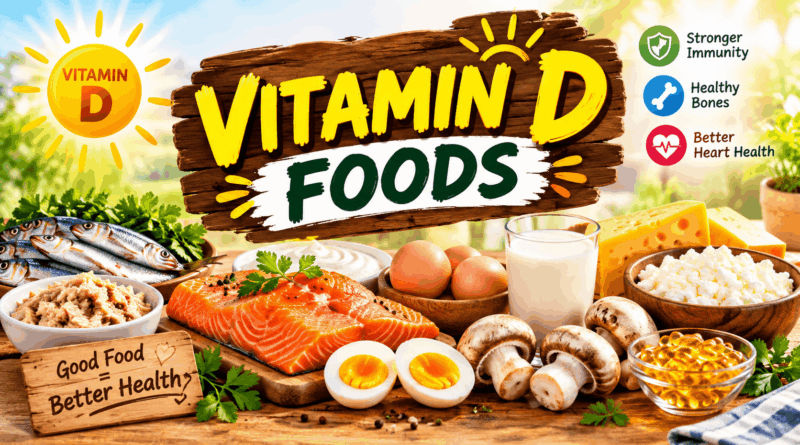
Vitamin D is an essential nutrient that plays an important role in maintaining healthy bones, muscles and normal immune function. Unlike many other vitamins, the body can produce vitamin D when the skin is exposed to sunlight. However, diet can also contribute to vitamin D intake, particularly for people who have limited sun exposure.
A balanced diet that includes vitamin-D-containing foods, along with appropriate sunlight exposure, can help support healthy vitamin D levels.
Why Is Vitamin D Important?
Vitamin D helps the body absorb calcium, which is essential for maintaining strong bones and teeth. It also supports normal muscle function and contributes to the normal functioning of the immune system.
People who do not get enough vitamin D over a long period can develop weak or soft bones. Severe deficiency can contribute to conditions such as rickets in children and osteomalacia in adults.
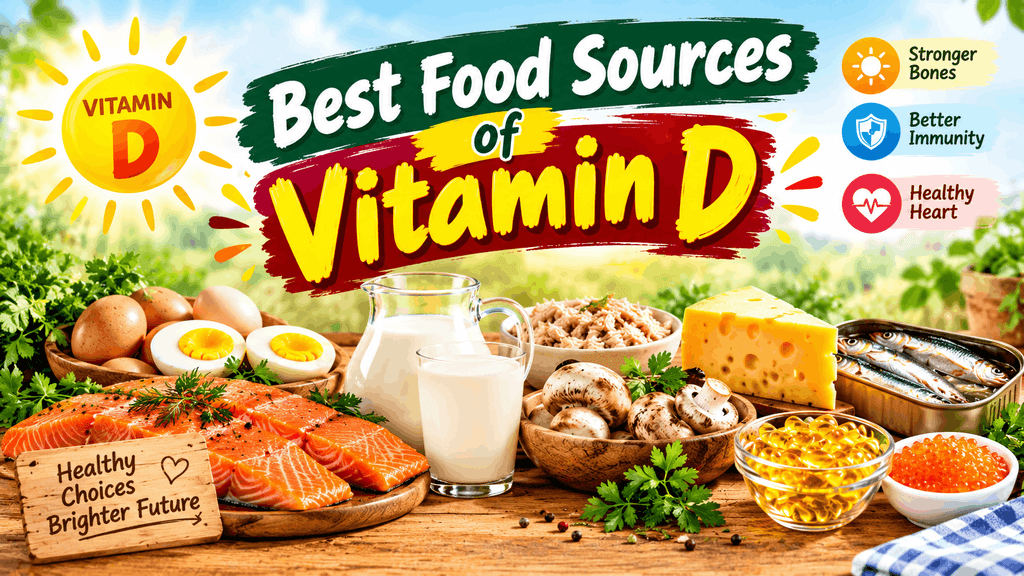
Best Food Sources of Vitamin D
1. Fatty Fish
Fatty fish are among the best natural dietary sources of vitamin D. Options such as salmon, sardines, trout, tuna and mackerel can provide vitamin D along with protein and healthy fats.
Including fish as part of a balanced diet can be a practical way to increase vitamin D intake.
2. Egg Yolks
Egg yolks contain vitamin D, although the amount can vary. Eggs are also a convenient source of protein and several other nutrients.
Adding eggs to breakfast or other meals can contribute to overall nutritional intake.
3. Fortified Milk
Some milk products are fortified with vitamin D. This means vitamin D has been added during processing.
Check the nutrition label to see whether the product contains added vitamin D.
4. Fortified Plant-Based Milk
Some soy, almond, oat and other plant-based milk alternatives are fortified with vitamin D.
Because fortification varies between brands, checking the label is important.
5. Fortified Cereals
Certain breakfast cereals are fortified with vitamin D and other nutrients. Choosing a product with lower amounts of added sugar can make it a better part of an overall balanced breakfast.
6. Mushrooms
Some mushrooms contain vitamin D, particularly mushrooms that have been exposed to ultraviolet light. Their vitamin D content can vary considerably depending on how they were grown and processed.
7. Fortified Yogurt and Other Dairy Products
Some yogurts and dairy products may contain added vitamin D. Fortified products can be useful for people who do not regularly eat fish.
Sunlight and Vitamin D
Food is only one source of vitamin D. The body can produce vitamin D when bare skin is exposed to ultraviolet B (UVB) radiation from sunlight.
However, the amount produced varies depending on factors such as skin pigmentation, age, geographic location, season, time of day, clothing, sunscreen use and the amount of exposed skin.
There is no single amount of sunlight that works for everyone, and deliberately getting excessive sun exposure is not recommended because UV radiation increases the risk of skin damage and skin cancer.
Who May Be at Higher Risk of Vitamin D Deficiency?
Some people have a higher risk of having inadequate vitamin D levels. These can include people who spend little time outdoors, people with limited dietary sources of vitamin D, older adults, and people whose bodies have difficulty absorbing vitamin D.
People with certain medical conditions or those taking particular medications may also need individual medical advice.
Possible Signs of Low Vitamin D
Vitamin D deficiency does not always cause obvious symptoms. When symptoms occur, they may include bone pain, muscle weakness or fatigue, although these symptoms can have many different causes.
A blood test can help a healthcare professional determine whether vitamin D levels are low.
Advantages of Getting Enough Vitamin D
- Supports normal calcium absorption
- Helps maintain healthy bones and teeth
- Supports normal muscle function
- Contributes to normal immune-system function
- Helps prevent vitamin-D-deficiency bone disorders
Disadvantages and Precautions
Getting vitamin D from normal foods is generally safe. The main concern is excessive intake from supplements rather than ordinary foods.
Taking very high doses of vitamin D supplements without medical supervision can cause vitamin D toxicity and lead to excessively high calcium levels in the blood. This can cause problems such as nausea, weakness, excessive thirst and kidney complications.
Vitamin D supplements should therefore be taken according to medical advice, particularly at high doses.
Final Takeaway
Vitamin D is an important nutrient for bone, muscle and overall health. Fatty fish, egg yolks, fortified milk, fortified plant-based drinks, fortified cereals and some mushrooms can provide dietary vitamin D.
A balanced diet combined with sensible outdoor activity can help support adequate vitamin D levels. However, people who are concerned about deficiency should speak with a healthcare professional rather than relying on high-dose supplements or excessive sun exposure.
Important: This article is for general health information and does not replace advice from a qualified healthcare professional.