A Nutritious Addition to a Balanced Diet
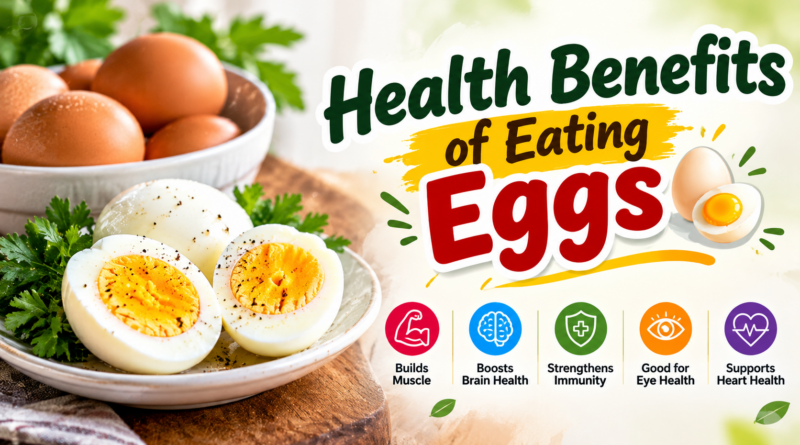
Health Benefits of Eating Eggs 🥚
Eggs are among the most popular and versatile foods in the world. They can be boiled, scrambled, poached or used in many different recipes. Apart from being convenient and affordable, eggs provide several important nutrients, including high-quality protein, vitamins and minerals.
When eaten as part of a balanced and varied diet, eggs can contribute to overall nutrition. The World Health Organization includes eggs among animal-source foods that can form part of a healthy diet, while also emphasizing balance, moderation and dietary diversity.

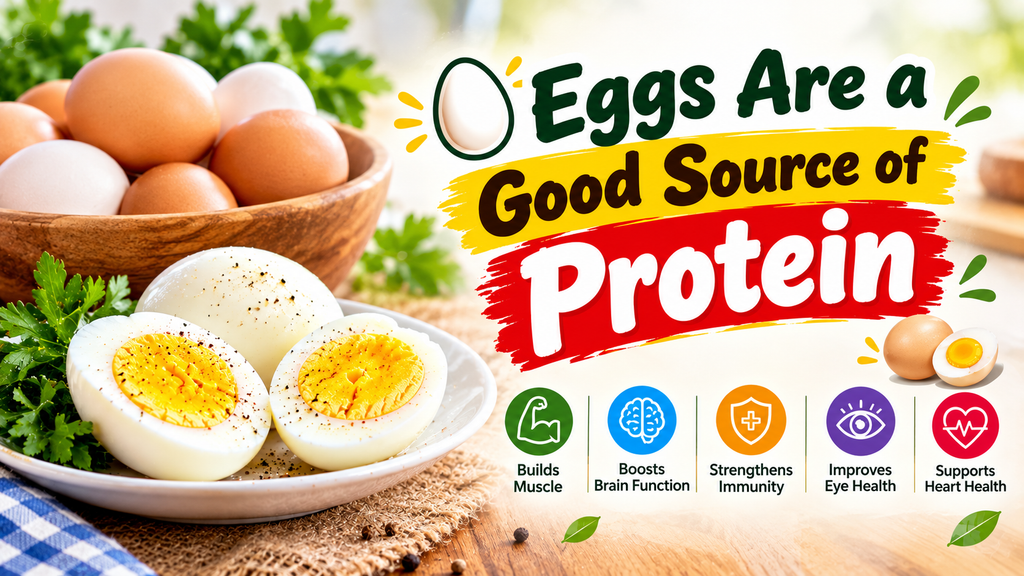
1. Eggs Are a Good Source of Protein
One of the biggest health benefits of eggs is their protein content. Protein is essential for building and maintaining body tissues and plays an important role in muscles, enzymes and hormones.
A large egg provides roughly 6 grams of protein, making it a convenient option for breakfast or other meals.
Including adequate protein in your diet can help support normal body functions and muscle maintenance. However, protein should come from a variety of sources, including pulses, beans, dairy products, fish, meat and other suitable foods, depending on individual dietary preferences.
2. Eggs Provide Important Vitamins and Nutrients
Eggs contain several useful nutrients. They are known to provide nutrients such as vitamin D and choline. Vitamin D supports bone health and immune function, while choline plays a role in metabolism and liver function and is also important for normal development.
The yolk contains many of the egg’s nutrients, which is why eating the whole egg provides a different nutritional profile from eating egg whites alone.
Eggs should not be considered a replacement for fruits, vegetables and other nutritious foods. Instead, they can be one component of a varied and balanced eating pattern.
3. Eggs May Support Muscle Health
Protein is an important building block for muscles. People who exercise regularly, especially those involved in strength training or physically demanding activities, need adequate protein as part of their overall diet.
Eggs are a convenient source of high-quality protein and can be included in meals after considering a person’s total nutritional needs. WHO notes that protein contributes to structural elements of the body, including muscle, as well as important functional molecules such as hormones and enzymes.
However, simply eating more eggs does not automatically build muscle. Regular physical activity, adequate total nutrition and sufficient protein from the overall diet are also important.
4. Eggs Contain Nutrients Important for Eye Health
Egg yolks contain lutein and zeaxanthin, nutrients associated with eye health. These compounds have been studied for their relationship with conditions such as cataracts and age-related macular degeneration.
For this reason, including nutrient-rich foods such as eggs alongside fruits, vegetables and other healthy foods may contribute to an overall diet that supports long-term health.
5. Eggs Can Be a Convenient and Satisfying Food
Eggs are easy to prepare and can fit into many types of meals. A boiled egg can be a quick breakfast or snack, while scrambled or poached eggs can be combined with vegetables and whole-grain foods.
The way eggs are prepared also matters. Boiling, poaching or cooking with a small amount of healthier oil can be different nutritionally from preparing eggs with large amounts of butter, processed meat or excess salt.
A healthy diet is based on the overall eating pattern, not just one food. WHO recommends dietary patterns that emphasize variety and moderation and limit excessive unhealthy fats, sugars and sodium.
6. What About Cholesterol in Eggs?
Eggs contain dietary cholesterol, so this topic often raises questions. Current guidance focuses more on the overall dietary pattern and the amount of saturated fat rather than treating one food in isolation.
The American Heart Association notes that healthy people can generally include up to one whole egg per day as part of a healthy dietary pattern, while individual recommendations may differ depending on cholesterol levels and other health conditions.
More recent AHA dietary guidance also emphasizes eating patterns rich in vegetables, fruits, whole grains, healthy protein sources and minimally processed foods.
People with high LDL cholesterol, cardiovascular risk factors or other medical concerns should discuss their diet with a qualified healthcare professional, as individual recommendations can vary.
How to Include Eggs in a Healthy Diet
Here are some simple ideas:
- Boiled eggs with fruit or vegetables.
- Vegetable omelette with minimal added fat.
- Poached eggs with whole-grain toast.
- Scrambled eggs with vegetables.
- Eggs combined with other nutritious foods as part of a balanced meal.
It is also important to handle and cook eggs safely. Eggs should be stored appropriately and cooked thoroughly to reduce the risk of foodborne illness.
Final Thoughts
Eggs can be a nutritious source of protein and other important nutrients. They are versatile, easy to prepare and can fit into a healthy, balanced diet.
The key is moderation and looking at your overall eating pattern. Combining eggs with vegetables, fruits, whole grains, pulses and other nutritious foods can help create balanced meals. If you have high cholesterol or a specific medical condition, seek personalized advice from a qualified healthcare professional before making significant dietary changes.