
Modern Lifestyle Health Tips
10 Simple Habits for Today’s Generation
Modern life has made many things easier, but it has also changed the way people eat, work, sleep and spend their free time. Smartphones, computers, social media, online food delivery, long working hours and busy schedules have become part of everyday life. For today’s generation, maintaining good health is not only about avoiding illness—it is also about building simple daily habits that support physical and mental well-being.
The good news is that staying healthy does not always require complicated routines. Small changes in everyday life can make a meaningful difference over time. Here are some practical health tips that can fit into a modern lifestyle.
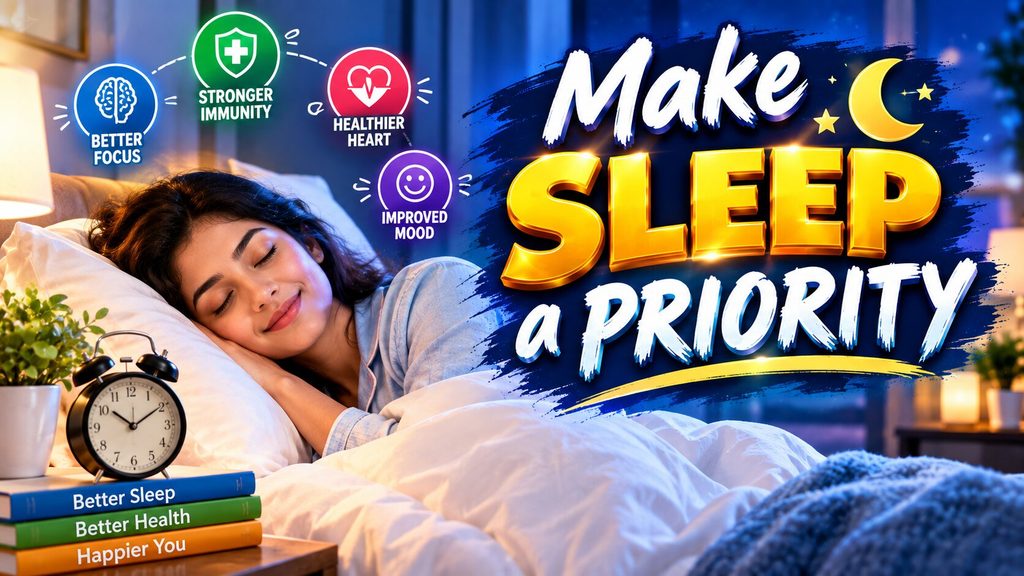
1. Make Sleep a Priority
Sleep is one of the most important parts of a healthy lifestyle. Many young people stay awake late because of social media, entertainment, gaming or work.
Adults generally need around 7–9 hours of sleep each night. Maintaining a consistent sleeping and waking schedule can help support overall health.
Try to reduce unnecessary screen use before bedtime and create a comfortable sleeping environment. Good sleep can also make it easier to concentrate and stay productive during the day.
2. Avoid Sitting for Long Hours
Long periods of sitting have become common because of office jobs, online classes, gaming and computer-based work.
If you spend several hours at a desk, take short movement breaks throughout the day. Stand up, walk around or stretch your body instead of remaining in the same position continuously.
Regular movement is important even if you exercise separately.
3. Choose Better Food More Often
Fast food, packaged snacks, sugary drinks and highly processed foods are convenient, but making them a regular part of your diet can make it harder to maintain a balanced eating pattern.
Try to include more vegetables, fruits, whole grains, pulses, nuts and other nutrient-rich foods in your meals.
You don’t necessarily have to completely eliminate your favourite foods. A more practical approach is to make nutritious foods the foundation of your regular meals and keep less nutritious foods occasional.
4. Stay Hydrated
Water is essential for normal body functions. Busy schedules can sometimes make people forget to drink enough fluids.
Keep water available while studying, working or travelling. Your individual fluid needs can vary depending on factors such as activity, weather and health conditions.
Instead of relying heavily on sugary soft drinks, water can be a simple everyday choice.
5. Move Your Body Every Day
Exercise does not have to mean spending hours in a gym.
Walking, cycling, swimming, dancing, jogging, sports and strength exercises can all be ways to stay physically active.
For adults, the World Health Organization recommends 150–300 minutes of moderate-intensity aerobic physical activity per week, or an equivalent amount of vigorous activity, along with muscle-strengthening activities on at least two days per week.
Start gradually if you have been inactive for a long time.
6. Take Care of Mental Well-Being
Health is not only physical. Mental well-being is equally important.
Today’s generation faces academic pressure, career competition, financial concerns, social-media comparison and work-related stress. Taking regular breaks, spending time with family or friends, enjoying hobbies and maintaining a healthy routine can help support well-being.
If stress, anxiety, sadness or other emotional difficulties are persistent or interfering with everyday life, speaking with a qualified mental-health professional can be an important step.
7. Reduce Unnecessary Screen Time
Smartphones and social media are useful tools, but constantly checking notifications can interfere with sleep, concentration and real-world activities.
Consider creating specific periods during the day without unnecessary phone use. Avoid scrolling simply because you are bored, and try to spend some time outdoors or interacting directly with other people.
Small limits can make screen use more intentional.
8. Don’t Ignore Preventive Healthcare
Many people visit a doctor only after they become sick. Preventive healthcare can help identify certain health problems earlier.
Depending on your age, sex, family history and individual risk factors, healthcare professionals may recommend particular screenings, vaccinations or health checks.
Do not rely entirely on social-media health advice or online self-diagnosis. A qualified healthcare professional can provide advice based on your individual situation.
9. Avoid Smoking and Limit Alcohol
Smoking and tobacco use can seriously affect health. Avoiding tobacco is one of the most important choices a person can make for long-term health.
For people who drink alcohol, lower consumption generally means lower alcohol-related health risks. People who do not drink do not need to start drinking for health reasons.
If you are trying to stop smoking or reduce alcohol consumption and finding it difficult, professional support can help.
10. Build Habits You Can Maintain
One common mistake is trying to change everything at once. Extreme diets and unrealistic exercise routines may be difficult to maintain.
Instead, focus on small changes.
For example:
- Walk for 20–30 minutes.
- Add one extra serving of vegetables or fruit.
- Drink water regularly.
- Maintain a consistent sleep schedule.
- Take movement breaks during work.
- Spend less time on unnecessary social media.
- Make time for hobbies and relationships.
When these habits become part of everyday life, they are easier to maintain.
Health Tips for Students and Working Professionals
Students and young professionals often have irregular schedules. A simple routine can help:
Morning: Start the day with water, a balanced breakfast if desired, and some movement.
During work or study: Take regular breaks from sitting and screens.
Meals: Choose balanced meals and avoid making fast food the default option.
Evening: Include some physical activity and spend time away from screens.
Night: Reduce unnecessary phone use and maintain a consistent bedtime.
Final Thoughts
For today’s generation, good health does not require a perfect lifestyle. It is about making healthier choices consistently.
Getting enough sleep, staying active, eating a balanced diet, drinking enough fluids, managing stress, limiting unhealthy habits and maintaining regular healthcare can all contribute to better overall well-being.
The most important point is to start with realistic changes. You don’t need to transform your entire lifestyle in one day. Choose one or two healthy habits, make them part of your routine and gradually build from there.
Good health is not a short-term challenge—it is a long-term investment in your future.